
Acquiring land is not just about completing a purchase. It involves multiple legal, regulatory, and administrative processes that must be handled carefully to avoid future complications. From verifying ownership documents to complying with government regulations, every step of land acquisition requires thorough due diligence.
In many cases, organizations also face challenges such as boundary conflicts, ownership disputes, or litigation related to land assets. Managing these issues manually can be time-consuming and inefficient.
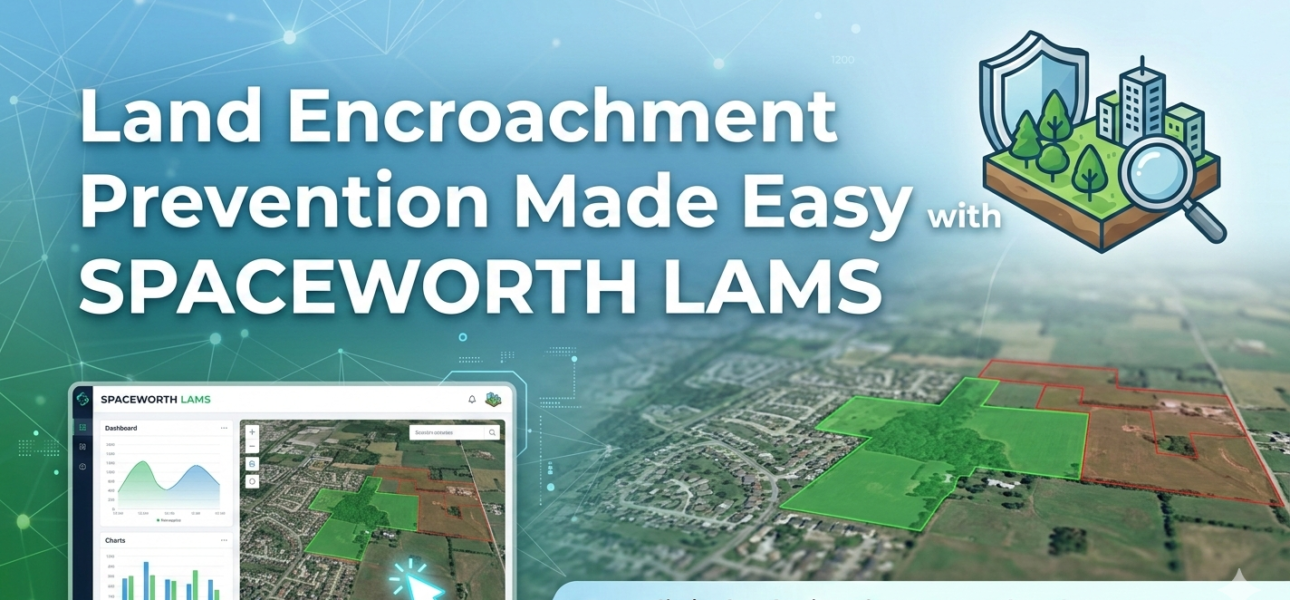
This is where SPACEWORTH’s Land Acquisition and Management System (LAMS) becomes highly valuable. By using a digital land management platform, organizations can simplify compliance management, maintain accurate land records, and handle litigation cases more effectively.
This blog highlights how organizations can ensure regulatory compliance during land acquisition and manage land disputes efficiently using modern land management technology.
Ensuring Compliance During Land Acquisition
Failing to follow proper compliance procedures during land acquisition can result in legal disputes, penalties, and project delays. A digital land management system helps organizations maintain transparency and ensure that every step of the acquisition process follows legal and regulatory requirements.
Verify Ownership and Title Records
The first step in acquiring land is confirming that the property has a clear and valid title.
With a land records management system, organizations can store and access digital title documents, ownership history, and deed information. This makes it easier to verify property ownership and ensure that the land is free from disputes or claims.
Check Regulatory and Zoning Approvals
Land acquisition must comply with zoning regulations, environmental rules, and local land-use policies.
A GIS-based land management system helps organizations visualize zoning maps, land-use classifications, and regulatory boundaries. It can also track approvals and notify stakeholders about pending permits or compliance requirements.
Maintain Digitized Agreements and Contracts
Proper documentation is essential for secure land acquisition.
Using land management software, contracts, agreements, and legal documents can be stored digitally. The system also creates audit trails that track any changes or updates made to these documents, ensuring transparency and accountability.
Track Tax and Registration Compliance
Land acquisition often involves stamp duties, registration fees, and property tax payments.
A digital land information management system allows organizations to track payment records, tax dues, and compliance deadlines. Automated alerts help ensure that all financial obligations are fulfilled on time.
Document Stakeholder and Community Rights
Some land parcels may involve easements, tenancy rights, or community ownership claims.
A centralized land management platform helps record these rights digitally and allows organizations to manage stakeholder relationships effectively. This reduces the risk of disputes during or after the acquisition process.
Managing Land Litigation Cases Effectively
Even when proper compliance measures are followed, land disputes can still occur. These disputes may involve ownership claims, boundary conflicts, or land-use disagreements.
A modern land acquisition and management system provides centralized access to land records and legal documentation, which helps organizations manage litigation more efficiently.
Conduct Early Case Evaluation
Legal teams can quickly review ownership details and property records using digital data stored in the land management system.
Automated reports provide insights into property encumbrances, previous disputes, tax records, and compliance history, allowing lawyers to assess the strength of a case early.
Consider Alternative Dispute Resolution
Many land disputes can be resolved through mediation or arbitration instead of lengthy court battles.
When both parties rely on accurate and transparent land records from a centralized system, it becomes easier to reach mutually acceptable agreements.
Strengthen Court Case Strategy
When disputes reach the courtroom, having accurate documentation becomes critical.
With GIS-based land management systems, organizations can instantly access certified copies of deeds, land maps, survey records, and tax receipts, ensuring that legal submissions are accurate and timely.
Collect Reliable Evidence
Strong evidence is essential for successful litigation outcomes.
Digitized property records, cadastral maps, revenue data, and ownership history stored in the system can provide reliable proof during legal proceedings.
Maintain Updated Records After Case Resolution
Once a dispute is resolved, it is important to update the ownership records to prevent future conflicts.
A centralized land information management system ensures that court decisions and updated ownership details are recorded permanently, providing long-term clarity.
Benefits of Using SPACEWORTH LAMS for Compliance and Litigation Management
Improved Compliance Management
Organizations can track regulatory requirements, approvals, and documentation through a single digital platform.
Better Transparency and Documentation
All land records, contracts, and legal documents are stored securely in a centralized system.
Faster Legal Case Handling
Digital access to records and maps allows legal teams to prepare cases quickly and efficiently.
Reduced Risk of Disputes
Accurate and well-maintained records help prevent ownership conflicts and boundary issues.
Efficient Land Asset Management
From acquisition to dispute resolution, SPACEWORTH LAMS supports complete land lifecycle management.
Conclusion
Land acquisition and property management require careful planning, legal compliance, and accurate recordkeeping. Without proper systems in place, organizations may face disputes, delays, and financial losses.
By adopting SPACEWORTH’s Land Acquisition and Management System (LAMS), organizations can simplify compliance tracking, maintain digital land records, and manage litigation cases more effectively.
A modern land management solution not only ensures regulatory compliance but also protects land assets, improves transparency, and supports long-term property management strategies.